I grabbed the West Point Graduation-Weather Tracking spreadsheet and tried converting it with word to markdown to see if the rain data actually lines up with anything. The idea that a soggy ceremony predicts a war is the kind of weird correlation I can't stop thinking about. Has anyone tested this against actual deployment timelines?
An interesting perspective on how historical patterns, weather observations, and military history can be connected to broader questions about conflict. The topic encourages readers to think critically about the difference between correlation, historical context, and genuine predictive evidence. For students interested in history, political science, research, or related academic subjects, ExpertsMind also provides online tutoring and academic learning support across a wide range of disciplines.
Interesting analysis linking weather to military history. The provided Excel and PDF data at West Point Graduation-Weather Tracking offer great resources for deeper study. For anyone needing to work with the documents, a reliable Word to Markdown converter is essential for clean file processing.
This article cleverly connects West Point graduation weather to potential conflict predictions. The data tracking is intriguing. For images derived from such analysis, ensuring authenticity is vital. I use Remove AI Metadata to verify provenance and strip hidden C2PA details, confirming the visual evidence remains unaltered and reliable.
Interesting to see West Point rainfall as a proxy for broader climate patterns—I've been tracking similar historical weather-conflict correlations and found a useful tool for this kind of analysis at https://3mf-to-stl.org




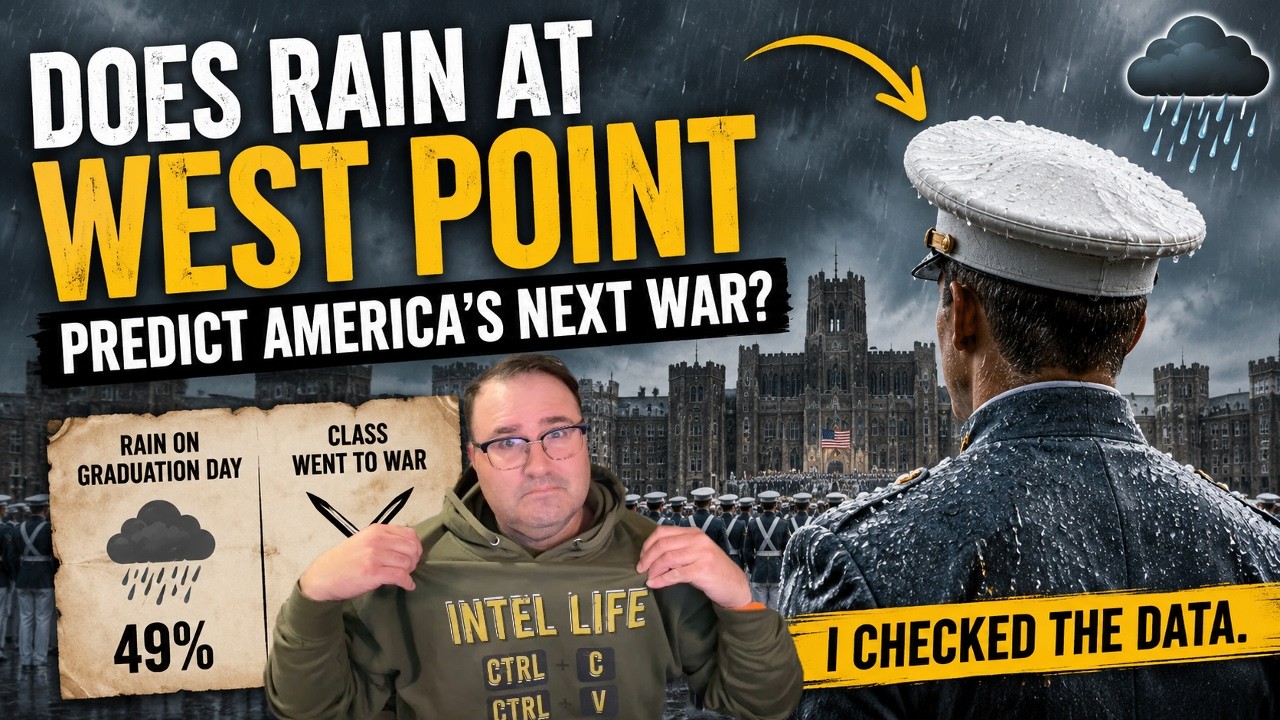


I grabbed the West Point Graduation-Weather Tracking spreadsheet and tried converting it with word to markdown to see if the rain data actually lines up with anything. The idea that a soggy ceremony predicts a war is the kind of weird correlation I can't stop thinking about. Has anyone tested this against actual deployment timelines?
An interesting perspective on how historical patterns, weather observations, and military history can be connected to broader questions about conflict. The topic encourages readers to think critically about the difference between correlation, historical context, and genuine predictive evidence. For students interested in history, political science, research, or related academic subjects, ExpertsMind also provides online tutoring and academic learning support across a wide range of disciplines.
Interesting analysis linking weather to military history. The provided Excel and PDF data at West Point Graduation-Weather Tracking offer great resources for deeper study. For anyone needing to work with the documents, a reliable Word to Markdown converter is essential for clean file processing.
This article cleverly connects West Point graduation weather to potential conflict predictions. The data tracking is intriguing. For images derived from such analysis, ensuring authenticity is vital. I use Remove AI Metadata to verify provenance and strip hidden C2PA details, confirming the visual evidence remains unaltered and reliable.
Interesting to see West Point rainfall as a proxy for broader climate patterns—I've been tracking similar historical weather-conflict correlations and found a useful tool for this kind of analysis at https://3mf-to-stl.org